
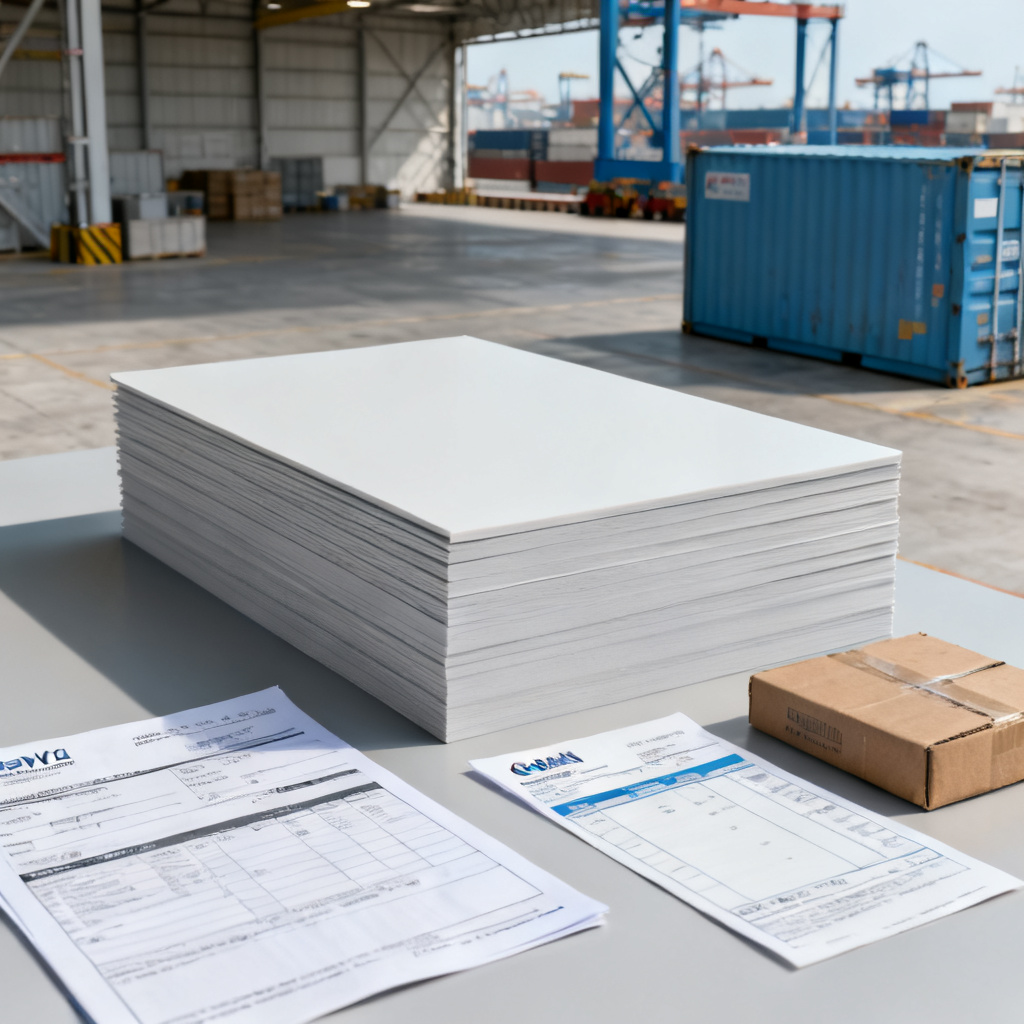
On 2026-08-13, India’s trade authorities moved on low-priced PVC sheet imports by opening an anti-dumping investigation and applying an interim cash deposit requirement to consignments with CIF prices below USD 4,550 per ton. Analysis shows this is not just a pricing adjustment: it directly affects export quotations, customs documentation, and delivery timing for PVC rigid boards and foam boards, with smaller traders and distributors likely to feel the pressure on inventory turnover first.
What India has put into motion
According to the notice released on 2026-08-13, India’s Ministry of Commerce initiated an anti-dumping investigation into low-priced PVC sheets, including rigid boards and foam boards, originating from China and other countries. At the same time, imports with CIF values below USD 4,550 per ton are subject to an interim deposit requirement starting immediately. The confirmed impact stated in the notice is on export pricing structure, customs clearance paperwork, and delivery cycles for PVC board shipments into India.
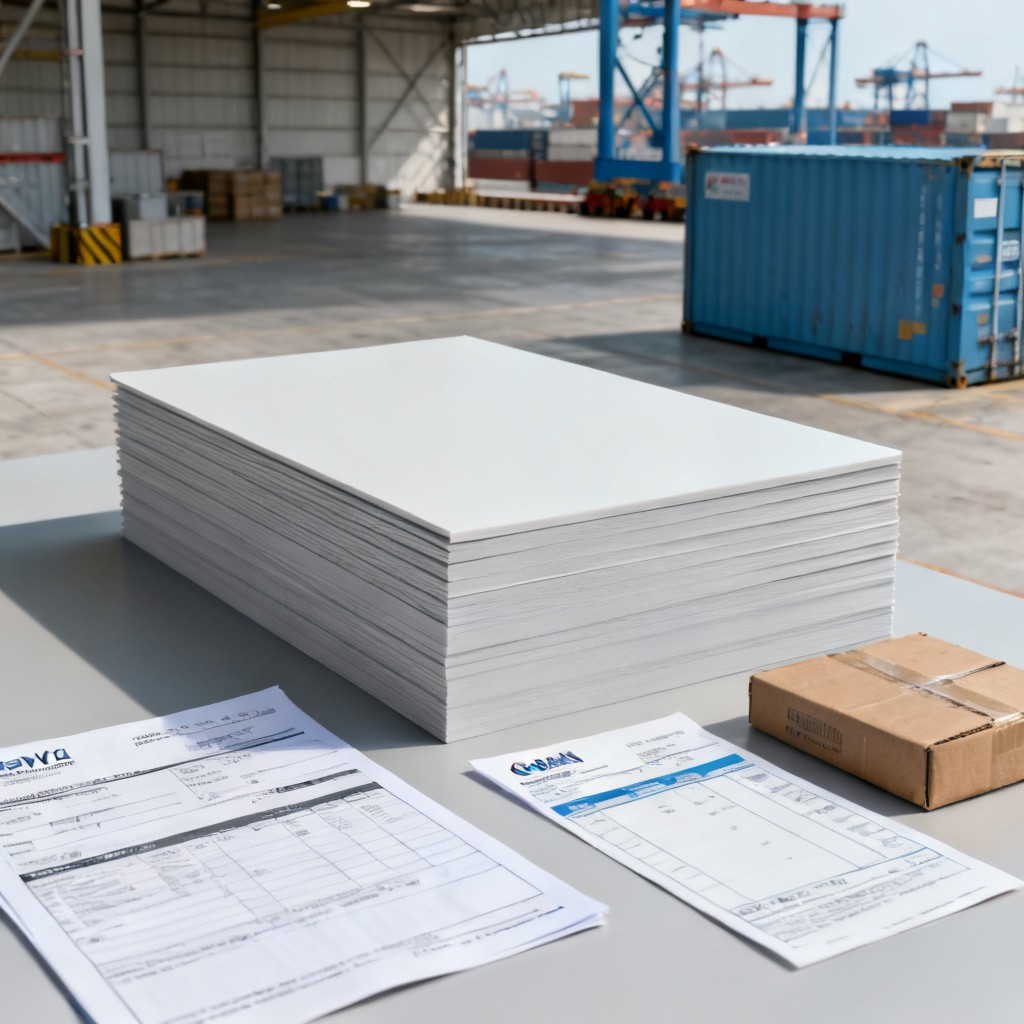
Where the pressure will show up first
Exporters will need tighter price discipline
For direct exporters, the key change is that low-price quotations can no longer be treated as a simple commercial decision. Once the interim measure is tied to a CIF threshold, quote construction, freight allocation, and contract terms become part of the compliance discussion. Exporters that rely on thin margins may need to review how they present landed prices and how they document the transaction value.
Customs paperwork becomes more sensitive
Because the measure is linked to CIF pricing, shipment documents and supporting records matter more than usual. That raises the importance of invoice consistency, transport documents, and any paperwork used to explain price formation. From an industry perspective, this also increases the need for import-side verification, since delays can arise if the declared value and supporting files do not align cleanly.
Inventory and distribution cycles may tighten
Distributors and channel traders are likely to be affected through stock movement and replenishment timing. If clearance steps become more demanding for sub-threshold shipments, turnover for incoming PVC board inventory may slow, and that can affect ordering rhythm and warehouse planning. The most exposed firms are often the smaller ones, where one delayed shipment can disrupt the next sales cycle.
What companies should watch next
Track the final treatment of the investigation
What deserves closer attention is whether the temporary measure stays limited to the current threshold treatment or develops into a broader trade remedy outcome. The current information confirms an investigation and an immediate interim requirement, but it does not provide the final direction. Exporters should therefore avoid treating the present position as settled.
Recheck document sets before shipment
Companies handling PVC sheets for India should review commercial invoices, shipping records, product descriptions, and value declarations before cargo leaves port. The practical risk is not only price exposure but also document mismatch, which can complicate clearance and extend delivery times. This is especially relevant for bulk repeat orders where templates are reused without revalidation.
Review supplier and customer terms together
For buyers and sellers, pricing terms, lead times, and acceptance of compliance-related delays should be aligned in advance. If a shipment falls below the CIF threshold, the resulting cost and timing impact may need to be reflected in commercial terms rather than handled after the goods are already moving. That is a procurement and sales coordination issue, not just a customs issue.
How to read this signal
Observed as a market signal, this development is best understood as an execution-stage trade remedy step rather than a broad policy announcement. It tells exporters and importers that pricing, documentation, and timing for PVC boards into India now require closer control. The immediate question is not whether the rule matters, but how quickly the practical filing and clearance standards will be applied in day-to-day shipments.
What this means going forward
The event should be read as a concrete compliance and trade-cost shift for PVC board flows into India. It is not yet a full endpoint, but it is already enough to force adjustments in quotation strategy, shipment documentation, and delivery planning. For companies active in this channel, the sensible position is to treat it as a live rule-change environment and monitor how the measure is applied in practice.
Source note and verification
This article was generated from the user-provided title, event date, and event summary. Typical source types for this kind of development include official government notices, trade remedy releases, customs or trade authority updates, industry association statements, and reporting by authoritative media. The specific official source link was not provided in the input, so continued verification is still needed for procedural details, document requirements, enforcement wording, and any further industry feedback.
Related Posts
- India delays BIS PVC import certification deadline to December 24, 2026Aug 17, 2026India delays BIS PVC import certification deadline to December 24, 2026. See how PVC sheets and profiles exporters can use the extra time to prepare compliance and avoid trade disruption.
- Brazil Extends Anti-Dumping Duty on Chinese PVC Resin for Five More YearsAug 17, 2026PVC resin anti-dumping duty in Brazil is extended to 2031, reshaping PVC board sourcing, compliance, and delivery strategy. Discover the key procurement risks and supplier shifts.
- China PVC Sheet Output Rises, Lead Times ShortenAug 14, 2026China PVC sheet output rises as lead times drop to 10-12 days, signaling faster delivery and stronger supply response for global buyers.
Get A Quote

First class quality service and professional after-sales team.
Get A Quote
*We respect your confidentiality and all information are protected.