
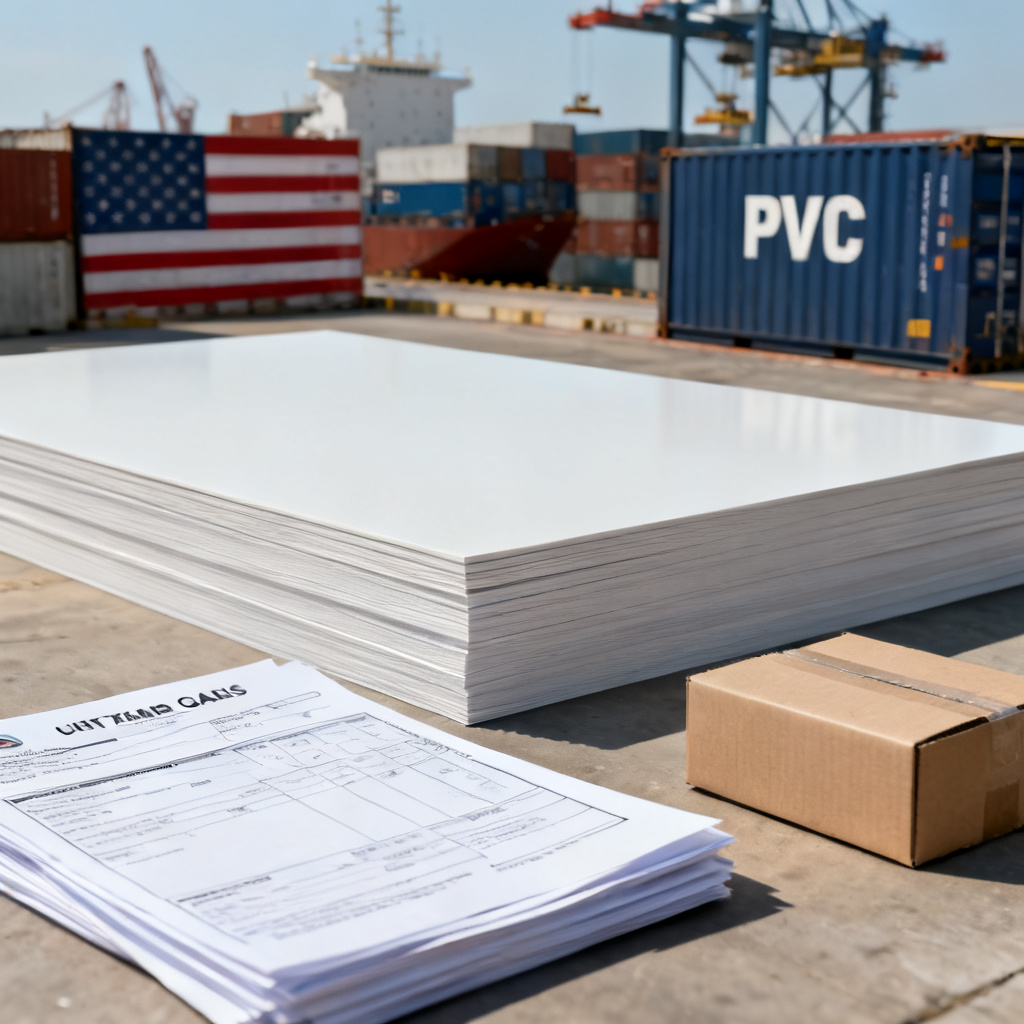
On 2026-08-14, U.S. Customs and Border Protection opened an administrative review of anti-dumping duties on Chinese PVC sheet under HTS 3920.43.00. For exporters, importers, and supply-chain service providers tied to U.S. shipments, the review matters because it can reset company-specific duty rates and may affect customs clearance cost, letter-of-credit terms, and delivery planning for the East and West Coast ports later in the year.
What the review covers
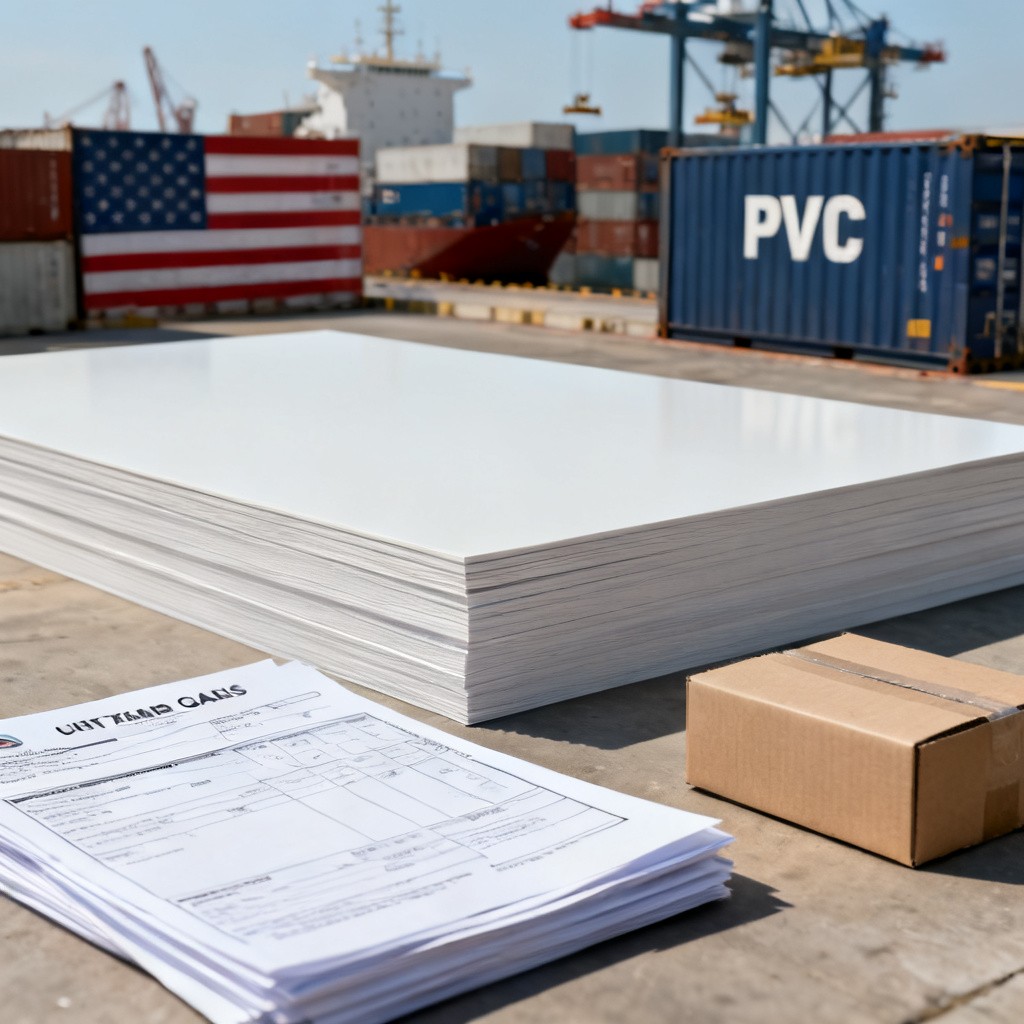
The announced review concerns Chinese PVC sheet shipments that were previously subject to preliminary anti-dumping duties of 18.7% to 42.3%. The review period runs from 2025-04-01 through 2026-03-31. According to the notice, the administrative review will re-determine the duty rate for participating companies. The response window for affected parties is 30 days.
Which parts of the trade chain may feel the pressure
Direct exporters and trading firms
Analysis suggests the most immediate impact will fall on companies shipping PVC sheet into the U.S. market. A recalculated duty rate can change landed cost assumptions, quotation validity, and contract pricing. For firms selling on tight margins, the review period itself can also affect how quickly they need to assemble shipment records, sales documents, and customs data.
Importers and purchasing teams
From an industry perspective, importers are likely to be attentive to how the review affects clearance cost and payment terms. If duty exposure changes, procurement teams may need to recheck purchase orders, supplier declarations, and expected arrival schedules. What deserves closer attention is whether banks and counterparties tighten letter-of-credit conditions while the review is pending.
Supply-chain and customs service providers
Customs brokers, freight forwarders, and trade compliance teams may see more document checks and more demand for shipment-level traceability. The practical issue is less about the headline duty rate and more about whether supporting records can withstand review scrutiny across the covered period. That can affect filing quality, clearance timing, and exception handling at port.
What companies should review now
Check shipment records against the review period
Companies involved in the covered trade flow should confirm whether their exports fall within 2025-04-01 to 2026-03-31 and whether the relevant product classification remains HTS 3920.43.00. That is the first step before any substantive response or internal exposure review.
Prepare supporting documents early
Because the response window is only 30 days, affected companies should organize invoices, packing lists, shipping documents, and other customs records now rather than waiting for a later request. At this stage, it is more appropriate to treat document readiness as a compliance task, not a formality.
Reassess pricing and contract clauses
For ongoing supply contracts, firms may need to recheck duty allocation, price adjustment language, and delivery obligations. The review does not by itself prove a final cost outcome, but it can create a near-term need to rework commercial assumptions for Q4 clearance and financing.
How to read this signal
The more important point is that this is not just a news item about tariff enforcement. It is a procedural signal that customs treatment for Chinese PVC sheet is still active and subject to recalculation. In practical terms, that means companies should expect the compliance workload to rise before any commercial visibility improves.
At this stage, the review is better understood as an execution signal than as a final market outcome. The key unknowns remain the final company-specific duty rates, how customs and financial counterparties apply the result, and whether the clearance-cost effect becomes visible in late-2026 shipping and payment terms. Those are the points that will determine how far the review reaches beyond the filing process itself.
What the sector should take from this
The immediate takeaway is straightforward: companies active in Chinese PVC sheet trade with the U.S. should treat the review as a live compliance event, not a distant policy headline. The most sensible response is to verify classification, review transaction records, and watch for the final administrative outcome before locking pricing and delivery terms.
More broadly, this kind of review tends to matter most when it moves from regulatory process into customs cost, contract performance, and financing conditions. That is why the market will keep watching the final duty determination and the way it is applied at port level.
Source note and follow-up items
This article was generated from the user-provided title, event date, and event summary. No specific official source link was provided in the input. The information is consistent with the type of material normally found in official customs notices, trade authority releases, and related industry compliance updates, but the underlying filing text and enforcement guidance still need to be checked directly.
What still needs attention is the final administrative wording, any clarified execution guidance, customs clearance practice, and market feedback from affected importers and exporters.
Related Posts
- India delays BIS PVC import certification deadline to December 24, 2026Aug 17, 2026India delays BIS PVC import certification deadline to December 24, 2026. See how PVC sheets and profiles exporters can use the extra time to prepare compliance and avoid trade disruption.
- Brazil Extends Anti-Dumping Duty on Chinese PVC Resin for Five More YearsAug 17, 2026PVC resin anti-dumping duty in Brazil is extended to 2031, reshaping PVC board sourcing, compliance, and delivery strategy. Discover the key procurement risks and supplier shifts.
- China PVC Sheet Output Rises, Lead Times ShortenAug 14, 2026China PVC sheet output rises as lead times drop to 10-12 days, signaling faster delivery and stronger supply response for global buyers.
Get A Quote

First class quality service and professional after-sales team.
Get A Quote
*We respect your confidentiality and all information are protected.