
Navigating the Rigid PVC Sheet Market: A Practical Guide for B2B Importers
If you’ve ever received an RFQ that simply says “rigid PVC sheet 3mm”, you know how much detail sits behind those few words. Without clarifying the intended use, fire rating, or surface finish, even the most experienced trader can end up with a container that disappoints the end user. This guide unpacks what professional importers and engineering buyers should verify before issuing a purchase order.
First, get clear on the composition. Most industrial rigid PVC sheet is manufactured from suspension-grade PVC resin with a combination of heat stabilizers, impact modifiers, and processing aids. For standard indoor applications, a lead-based stabilizer system still offers the best cost-performance balance, but any product destined for the EU must comply with the RoHS directive—meaning calcium-zinc or organic stabilizers are mandatory. For markets like Egypt or Nigeria, where cost sensitivity can be high, it’s common to offer a dual-track catalog: an economical series and a fully REACH-compliant series. Make sure your supplier labels them clearly; we’ve seen cases where mixed inventory caused customs clearance delays at European ports.
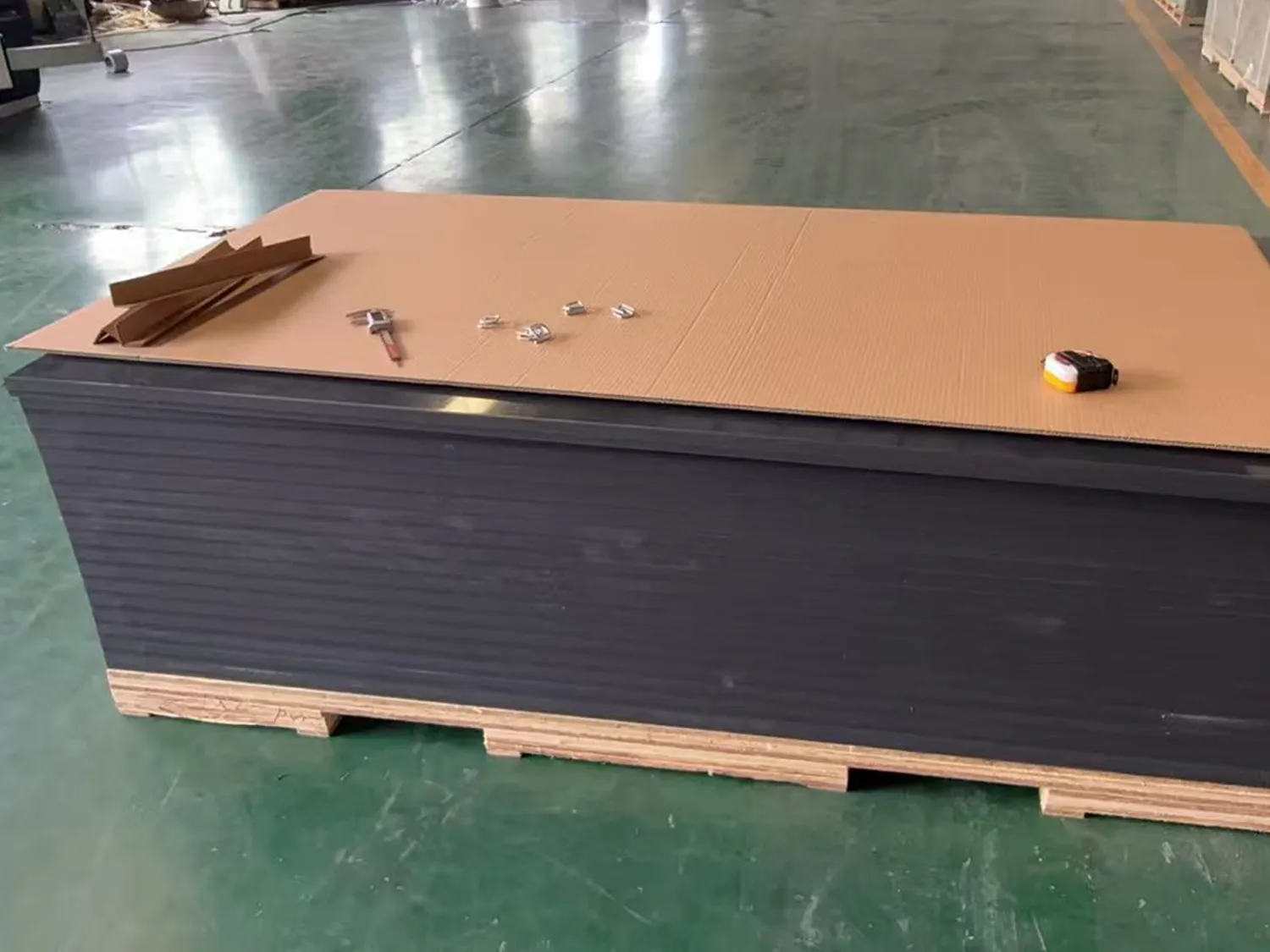
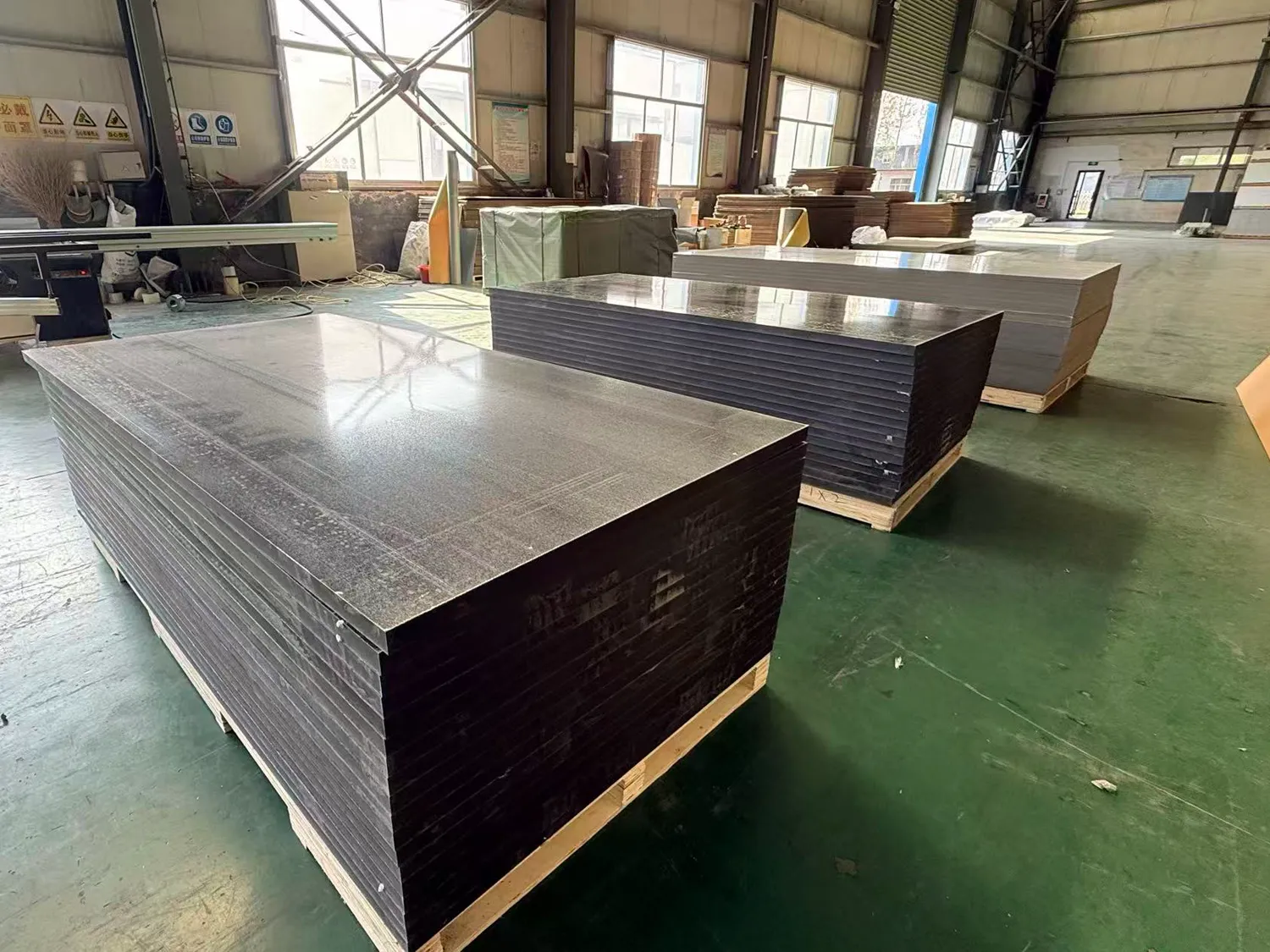
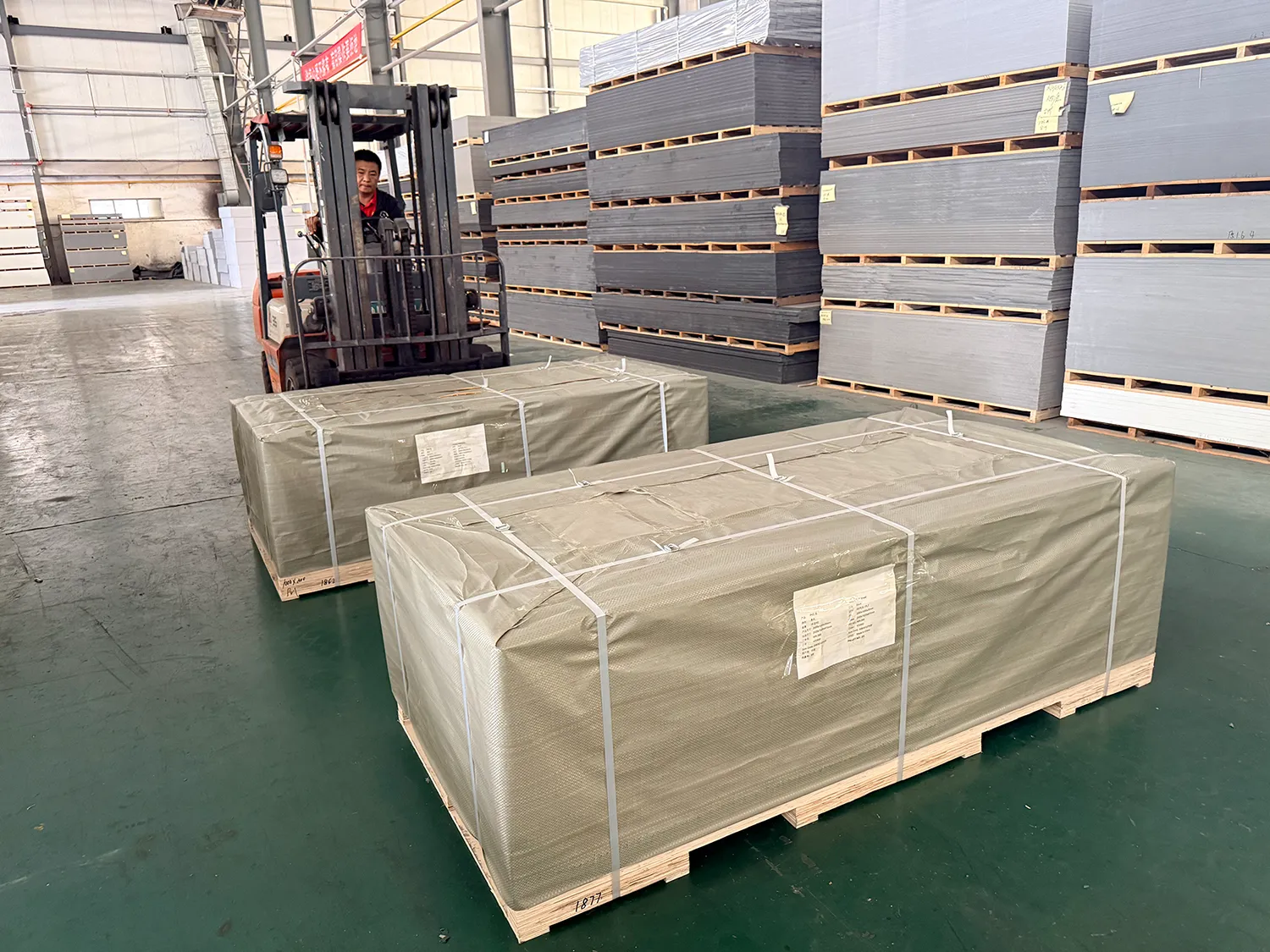
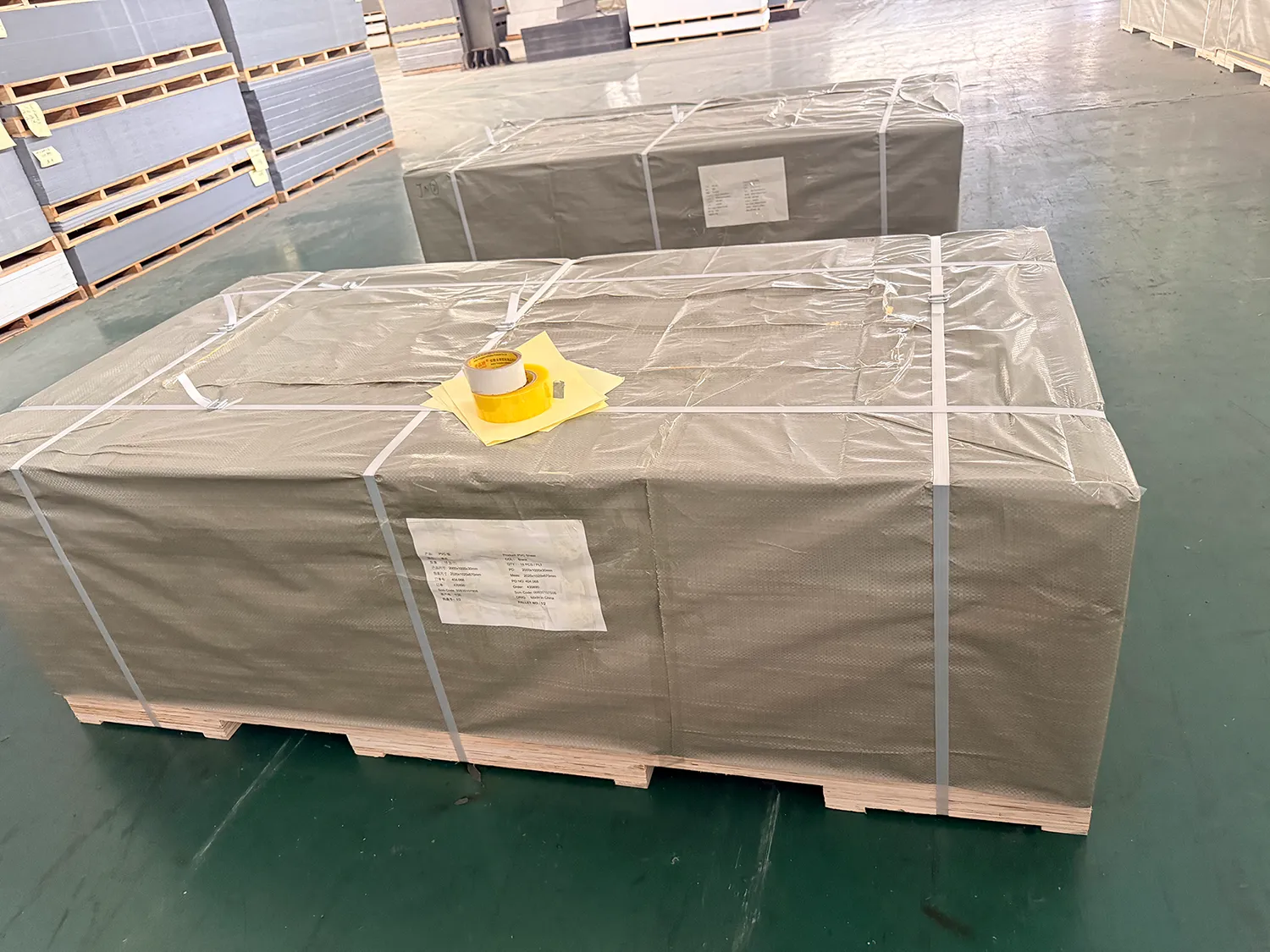
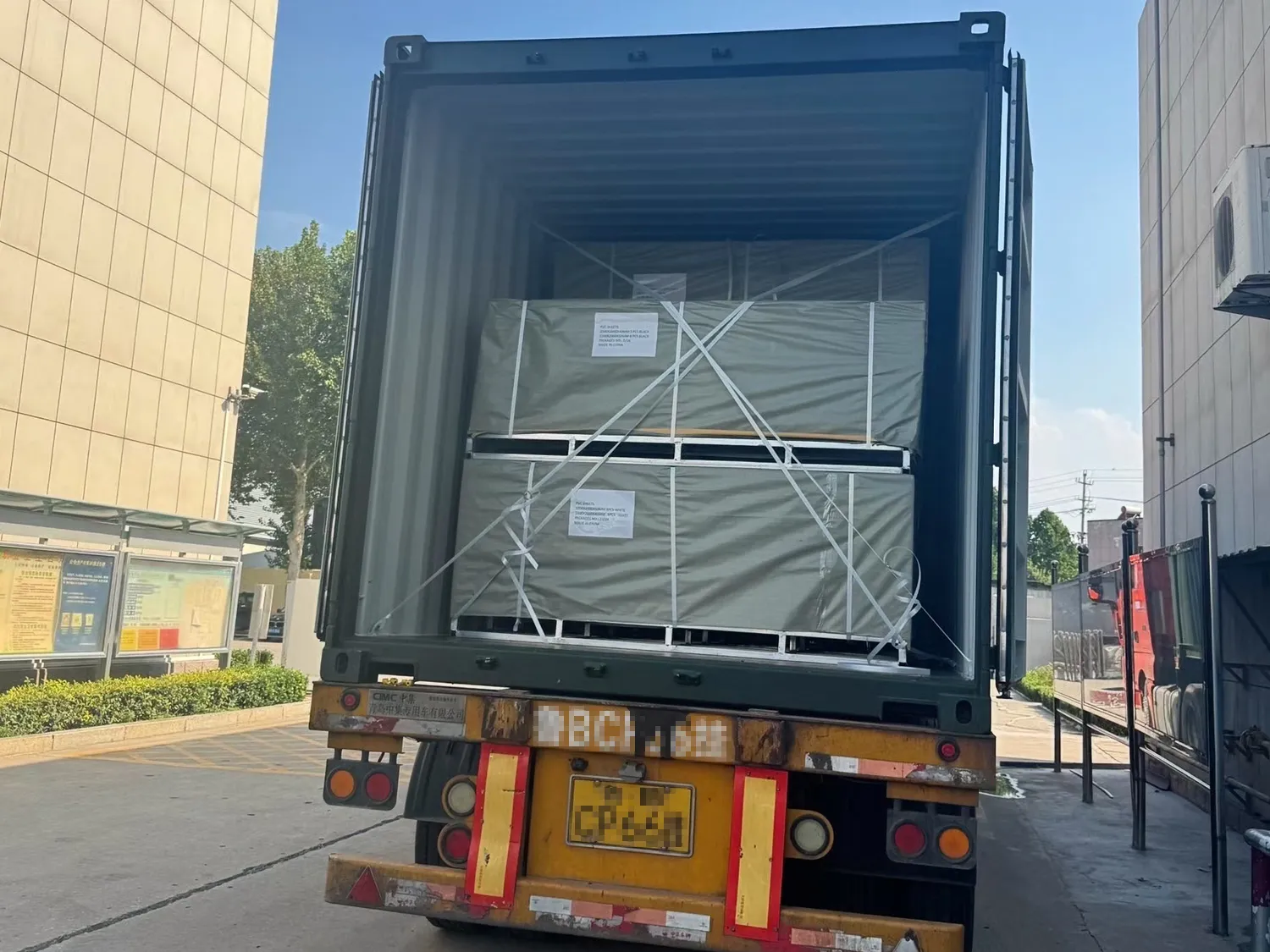
Second, thickness and sheet size logistics directly affect landed cost. A standard size like 1220 x 2440 mm loads efficiently into a 20-foot container, but many Middle Eastern fabrication shops prefer 1500 x 3000 mm or 2050 x 3050 mm to match their CNC beds. Shipping oversized rigid PVC sheet requires careful palletization to avoid flex marks. We recommend reinforcing the pallet base with an extra layer of 18 mm plywood and strapping in two directions. It adds maybe $2 per sheet in packaging cost but can save a full shipment from corner damage claims.
Third, don’t overlook the fire performance requirements. In public buildings across Australia and Europe, interior materials must meet specific flame spread indices. A standard rigid PVC sheet typically achieves a V-0 rating in UL 94 tests and can be formulated to pass the BS 476 Part 7 Class 1 surface spread of flame test. If your client is bidding on a hospital or airport contract, request the specific fire certificate batch number—not just a generic brochure claim. Serious suppliers will have these reports from accredited labs like SGS or TÜV and will share them without hesitation.
 What Drives Rigid PVC Sheet Prices: Resin Costs, Specs, and Order VolumeRigid PVC Sheet prices depend on resin costs, sheet specs, machining, and order volume. Learn how to compare quotes accurately, control budget, and choose the right supplier faster.
 How to Choose Rigid PVC Sheet Thickness for Impact and Load NeedsRigid PVC Sheet thickness selection made simple: learn how to match impact resistance, load support, span, and machining needs to choose the right sheet with confidence.
 EU Tightens Phthalate Limits for Hard PVC Panels Under REACHEU REACH tightens phthalate limits for hard PVC panels to 100 ppm. Discover what exporters must update before 2027 compliance deadlines.
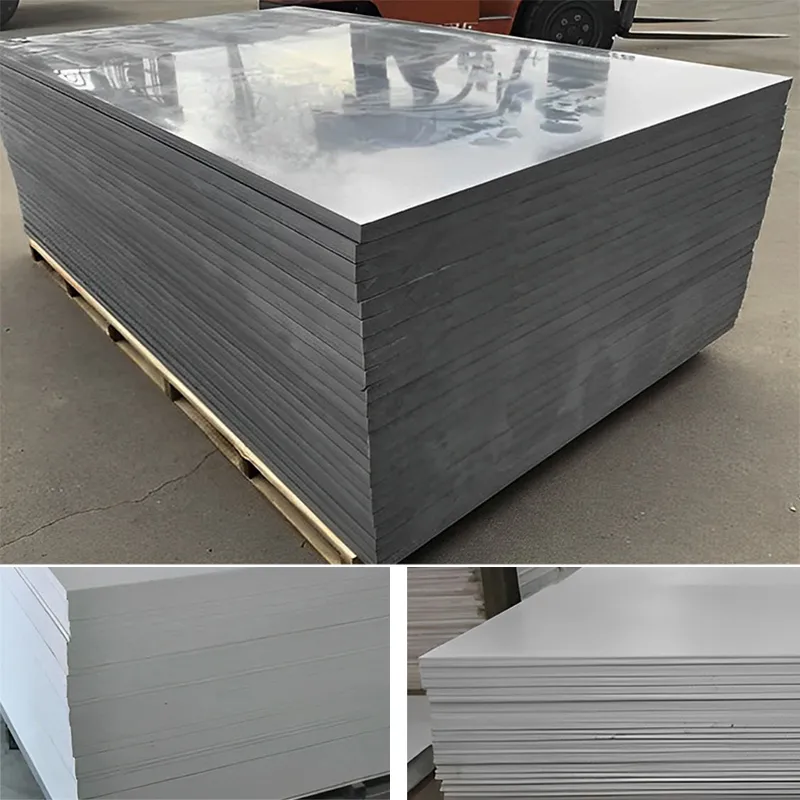
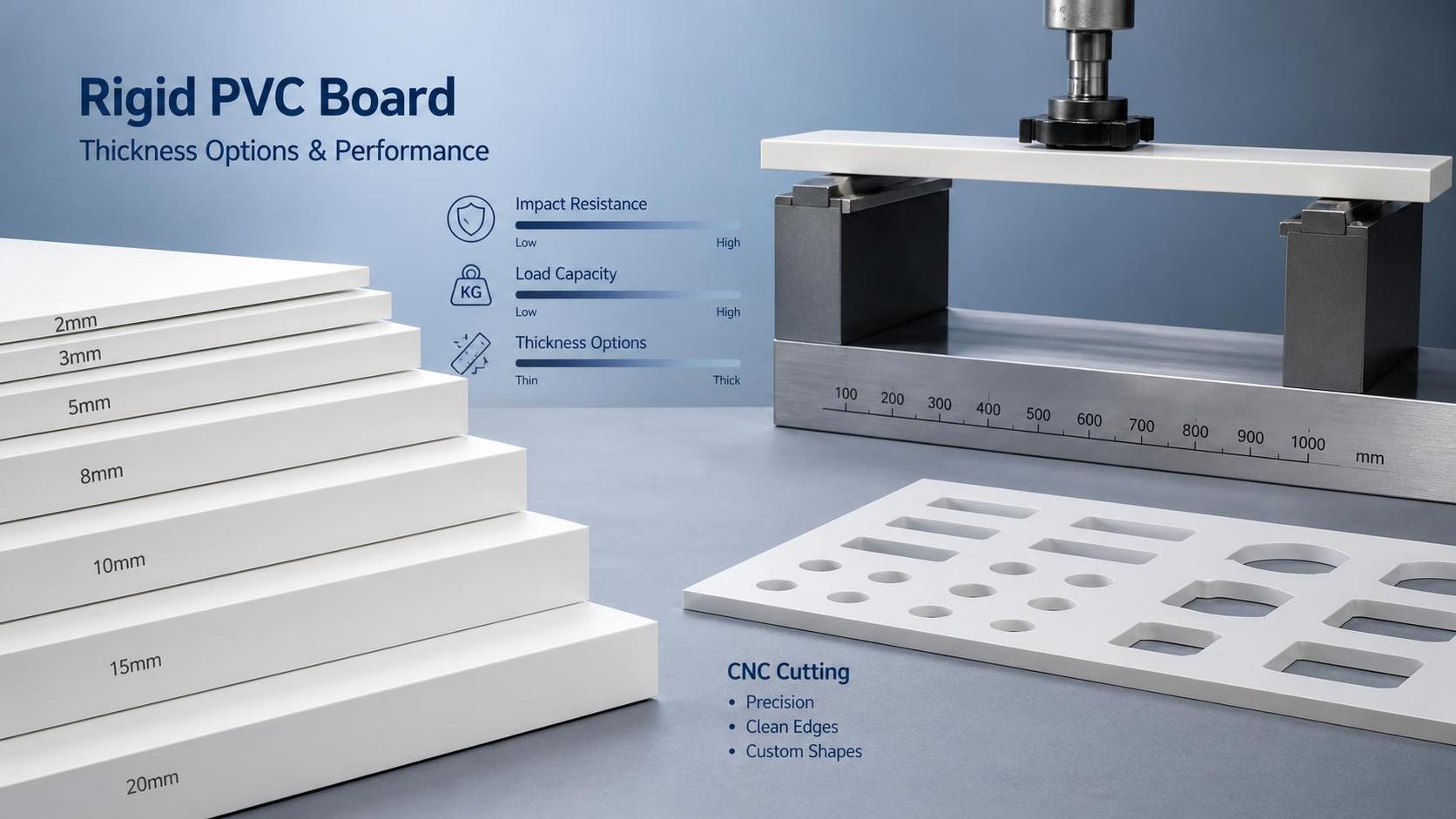
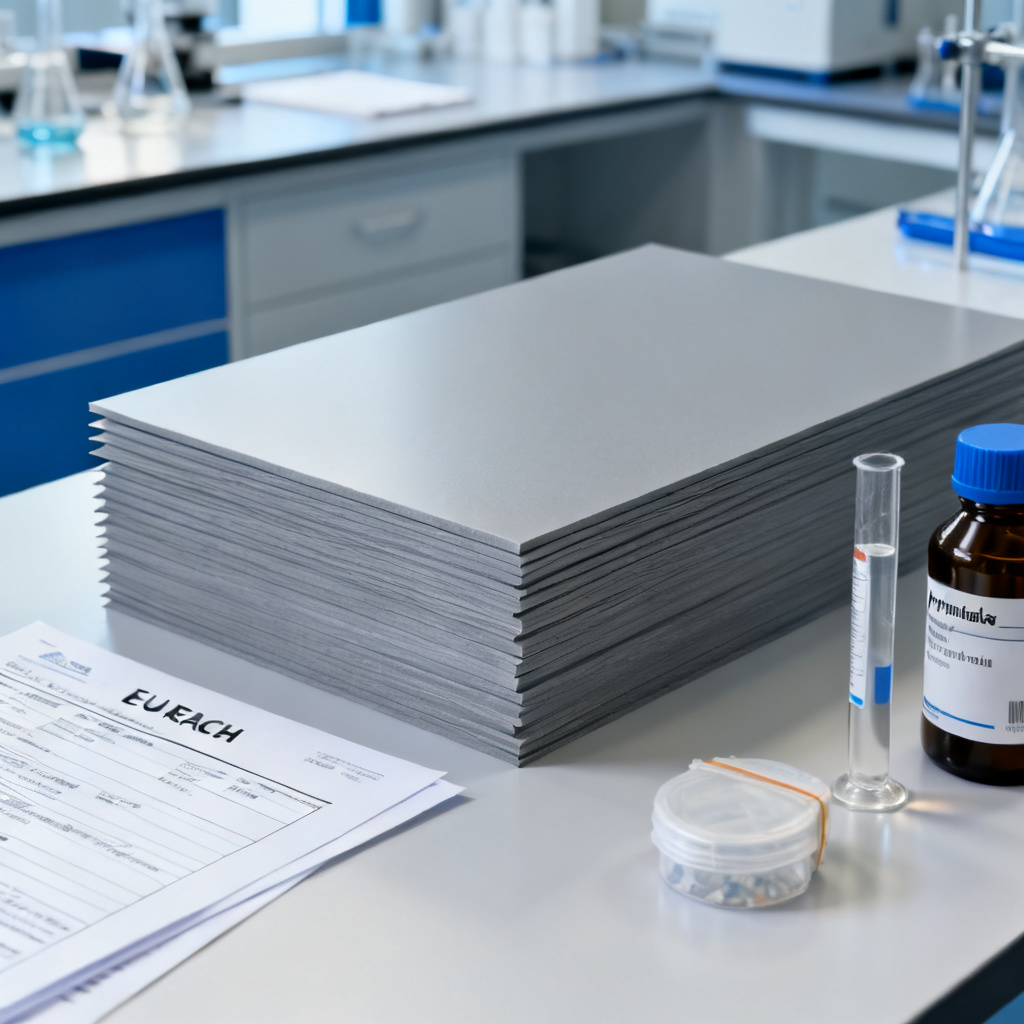
 White Rigid PVC Sheet | High Density Hard PVC BoardOur White Rigid PVC Sheet, also named high density hard PVC board, is solid unplasticized PVC panel engineered with compact uniform density for global industrial, signage and construction projects. Featuring bright white flawless surface, outstanding rigidity and stable flatness, this hard PVC material delivers strong acid-alkali corrosion resistance, moisture-proof performance and self-extinguishing flame retardancy. Easy to cut, drill, bend and hot-air weld, our white rigid PVC board supports full custom thickness, size and surface finish. Supplied to all overseas markets, it serves chemical equipment, water treatment tanks, advertising signs, lab furniture and decorative panels with long service life and cost-effective performance.
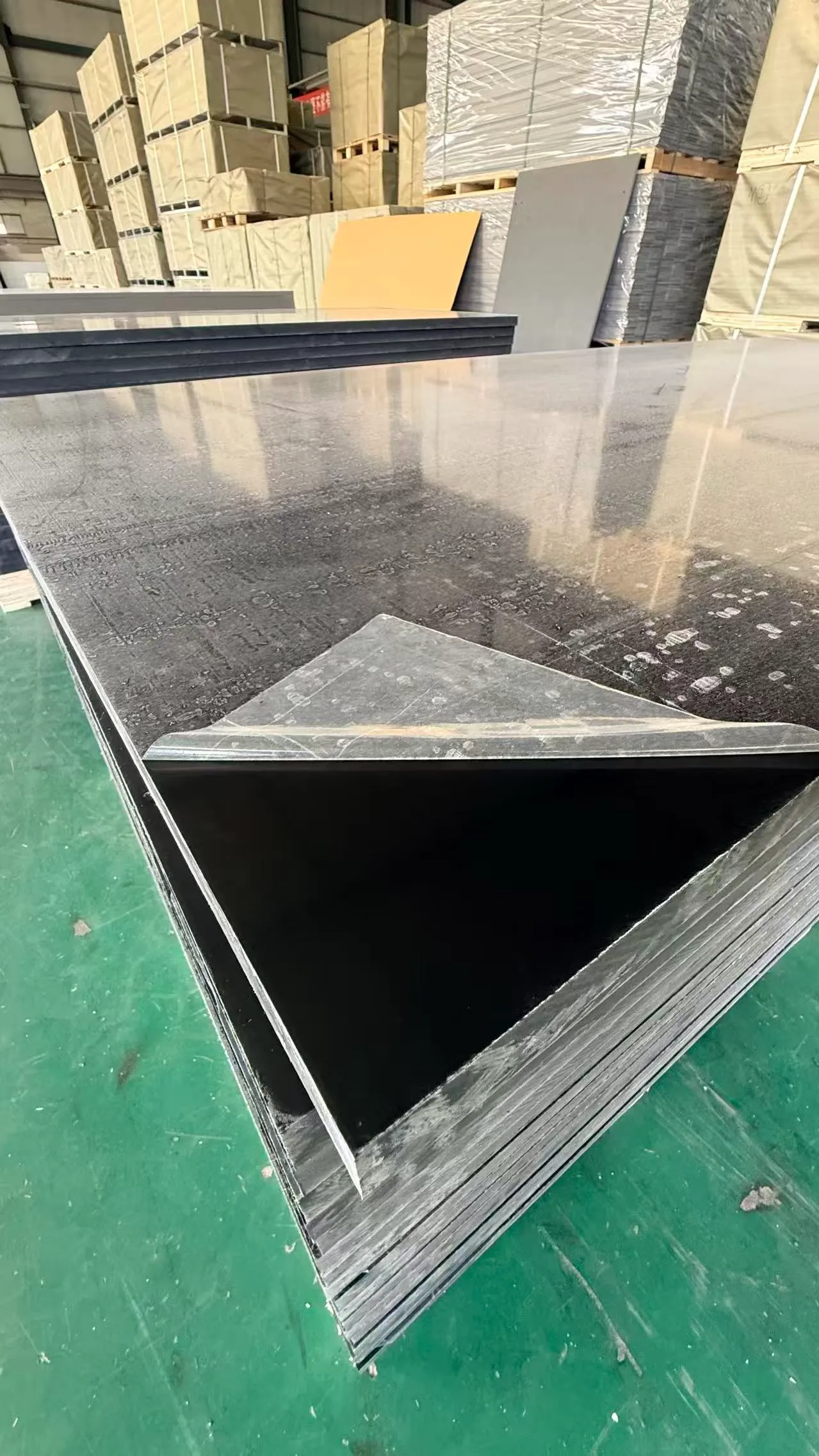
 Rigid PVC Sheet Manufacturer Factory Wholesale Hard PVC BoardBuilt for exceptional structural integrity and chemical inertness, our Rigid PVC Sheet Manufacturer Factory Wholesale supply line delivers versatile industrial-grade solutions for worldwide processing enterprises. As a direct Hard PVC Board production partner, we manufacture high-density extruded unplasticized PVC (PVC-U) panels featuring high tensile modulus, superior impact resistance, and flame-retardant self-extinguishing properties. Engineered to handle intense mechanical processing, these durable plates excel in CNC routing, thermoforming, hot-gas welding, and direct flatbed printing without cracking or warping. Complete with tight gauge tolerance controls, custom color choices, protective film masking, and direct container-load export logistics tailored for global equipment builders, sign makers, and industrial distributors.
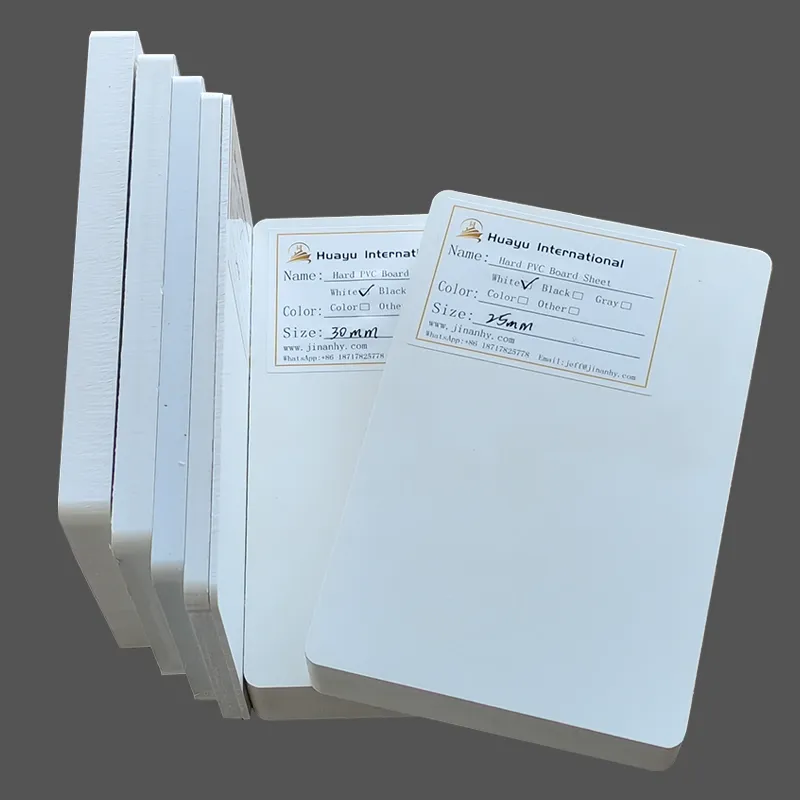
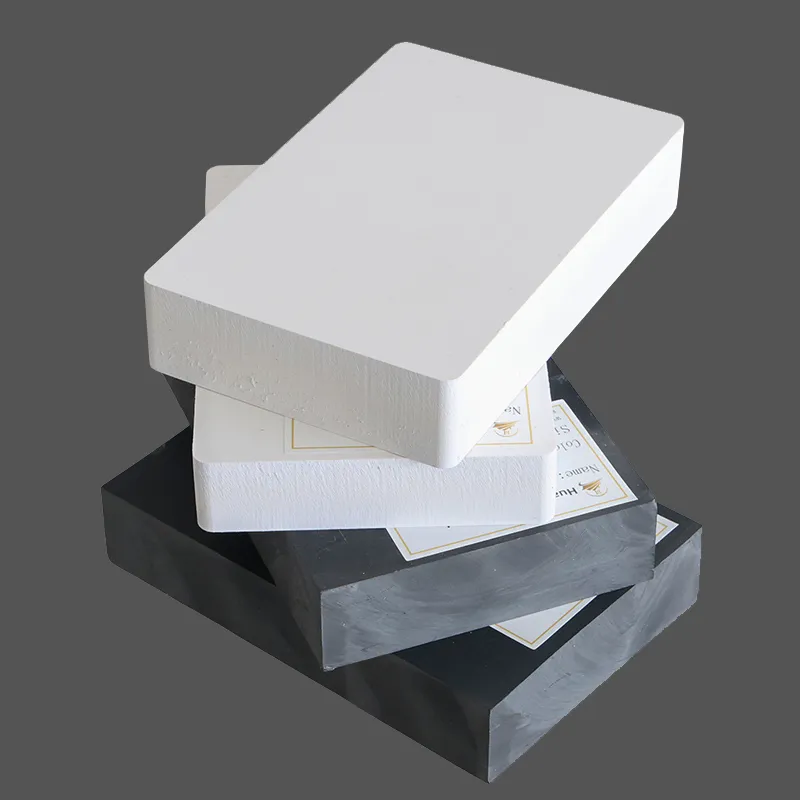

First class quality service and professional after-sales team.
Get A Quote
*We respect your confidentiality and all information are protected.